

Where Porta Palazzo Is
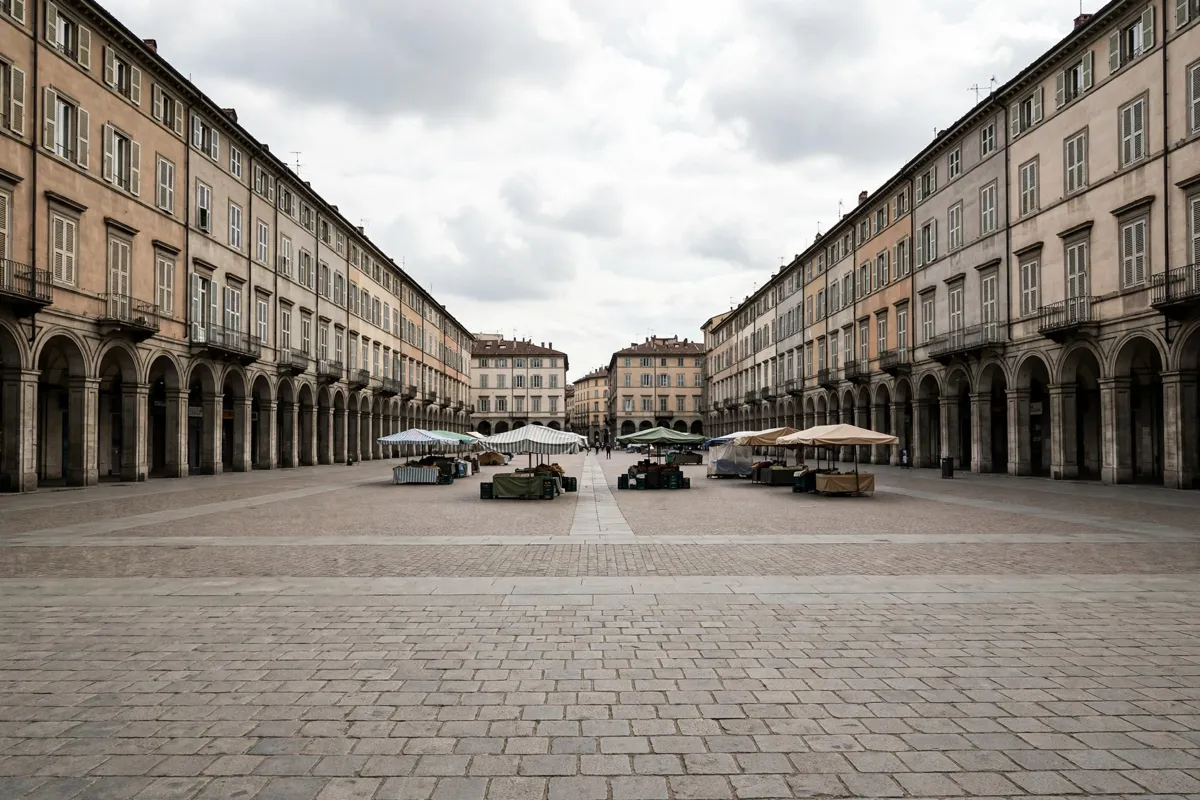
Porta Palazzo is in Piazza della Repubblica, in Turin’s historic centre. Rather than one indoor market, it’s a network of outdoor stalls and covered market spaces. The name comes from the area’s former gate, Porta di Palazzo, which was inaugurated in 1701 and later demolished during the Napoleonic era. The name remained in use after the gate was gone.
The market’s roots in this part of Turin go back at least to the mid-18th century. A 1752 guide describes a market in Piazza della Frutta, selling vegetables, fish and butter both wholesale and retail.
The markets were officially established on 29 August 1835, bringing together trading that had previously taken place in Piazza Palazzo di Città, Piazza Corpus Domini and along roads entering the city.
The square’s design followed in 1817, when Gaetano Lombardi proposed a large octagonal square dedicated to Emanuele Filiberto. Today, the square is called Piazza della Repubblica.
Covered structures for food and fish markets were built in 1836, followed by the Tettoia dell’Orologio in 1916. Those layers of history help explain why the market is a collection of spaces rather than a single hall.
What to Find at the Market
Food is a major part of the offer, but Porta Palazzo goes beyond groceries. You can find local produce alongside international products, as well as fish, meat, bakeries and prepared foods. Clothing and household goods add to the mix, so the market serves as a place to shop for more than ingredients.
Because stalls and covered spaces are spread around the square, take the market as a whole rather than expecting every category to sit in one building. The outdoor sellers operate alongside covered food, fish and other market spaces. That variety is also part of what distinguishes Porta Palazzo from a single indoor market.
Market Areas and Stalls
Start by getting a sense of the layout: outdoor stalls occupy parts of Piazza della Repubblica, while covered structures house market spaces too. The historic overview of the market describes sellers outdoors as well as covered areas for food, fish and other goods. There isn’t one named indoor venue that accounts for the whole market.
As you look around, you’ll encounter the broad range of products in different parts of this market network: produce and other food, clothing, and household goods. Specific stall locations aren’t detailed here, so allow time to browse the different areas instead of planning around a particular stall or product.
When to Visit and What to Check
Porta Palazzo operates weekly from Monday through Saturday. The City of Turin lists hours of 7:00–14:00 Monday through Friday and 7:00–19:00 on Saturday; it lists no Sunday market hours. If you’re planning around the later Saturday hours, keep in mind that the regular weekday closing time is earlier.
For a market visit, use the listed operating hours to choose a day, then check current details before setting out. Before you go: check the official site before you go. The City of Turin is the source for the market hours.
Saturday also brings the Balôn flea market in nearby Borgo Dora. It’s a separate recurring market, not another section of Porta Palazzo, and has operated since 1857. If you want to include both markets in one outing, keep their separate locations and identities in mind as you plan.
Getting to Porta Palazzo
Hotel Tourist is about a 3-minute walk from Racconigi station, a practical reference if you’re connecting from the hotel to local transit. For more on getting around, use this guide to Turin’s metro and local transit.
Porta Palazzo is in the city centre, so it can fit into a day of exploring central Turin. If you’re planning a wider route, this practical itinerary through Turin’s centre offers another way to organize your time.
Pairing the Market with Turin’s Historic Centre
Porta Palazzo’s central setting makes it a natural part of a day that also includes Turin’s historic centre. The market’s location in Piazza della Repubblica and its long history give you a change of focus from the city’s historic landmarks: browse the stalls and covered spaces, then continue your central-Turin plans.
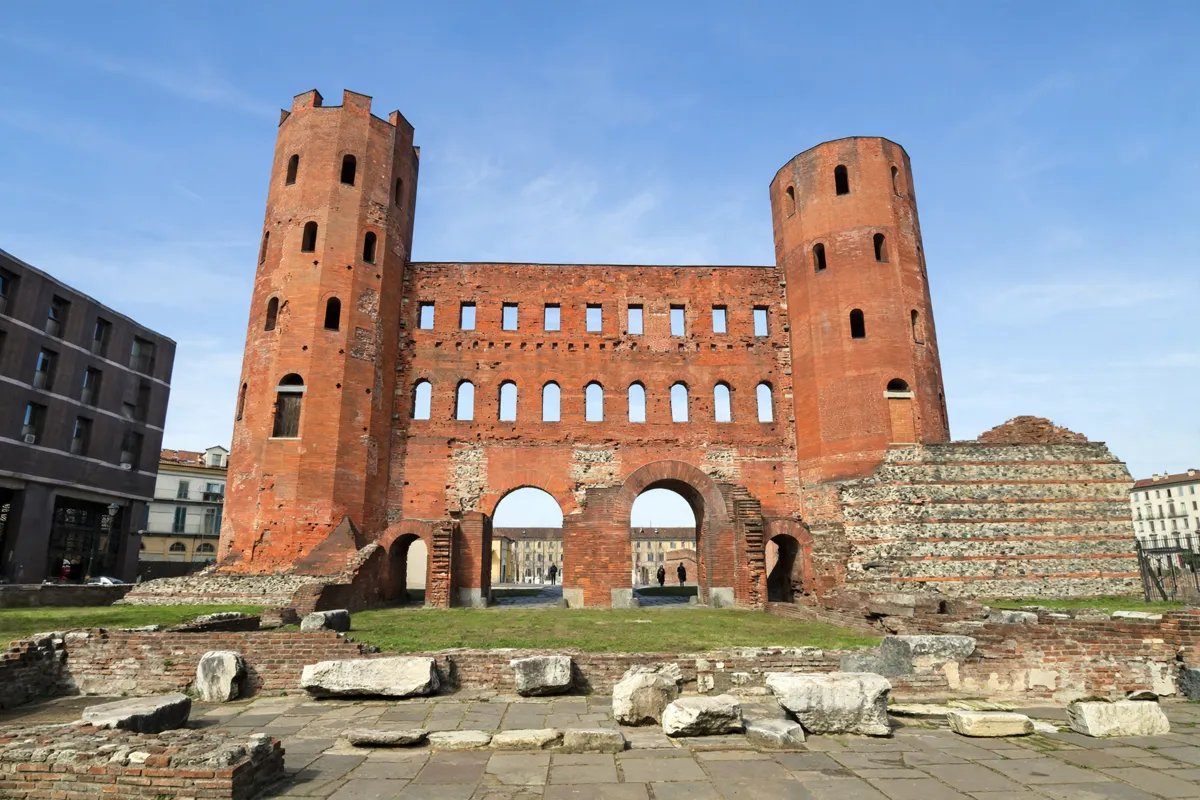
Porta Palatina is a reminder of the area’s older urban story. The gate called Porta di Palazzo was demolished, but its name endured; Porta Palatina is a distinct landmark to consider alongside the historic-centre route.
Use the market’s operating hours to set the order of your day, and consult the city itinerary for ideas on arranging the rest of your time.